Dubai has long been known for luxury, innovation and world-class retail experiences. But in recent years, a quieter shift has emerged beneath the glamour – one that’s reshaping how consumers choose brands, products and even daily habits.
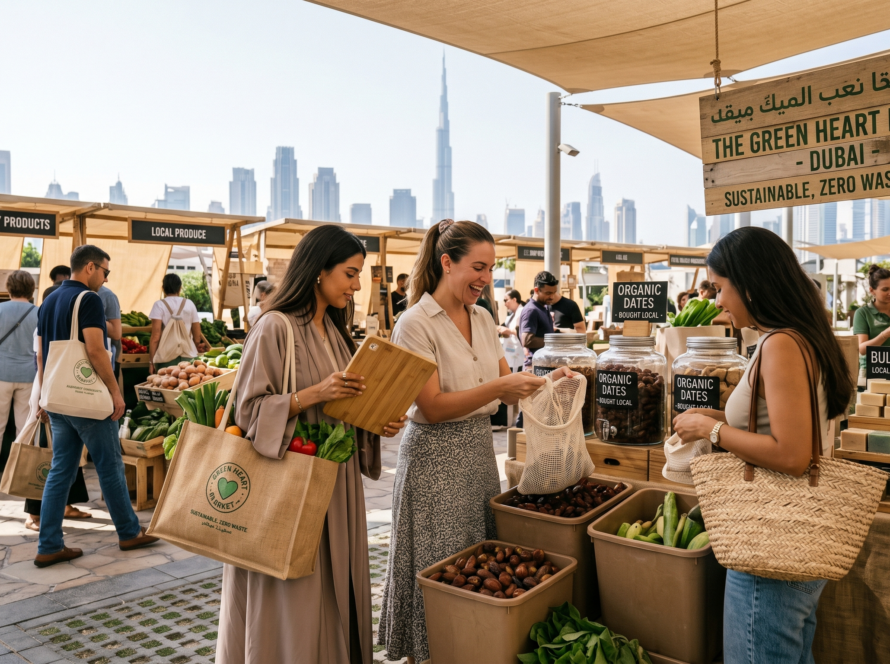
Across malls, online platforms and neighbourhood markets, more shoppers in Dubai are consciously prioritising sustainable products over conventional choices. Whether it’s groceries, fashion, home goods or dining, the question is increasingly the same:
“Is this good for me and good for the planet?”
This shift isn’t a trend – it’s a behavioural transformation.
What’s Driving Dubai Toward Sustainable Shopping?
Several factors have converged to create a new kind of consumer mindset in the city:
1. Rising Eco-Awareness
Sustainability messaging – from government initiatives to global events such as COP28 hosted in the UAE – has raised collective awareness about waste, plastic consumption and carbon footprint.
Consumers now look for responsibility in the brands they support, not just attractive pricing.
2. Lifestyle, Not Lifestyle Marketing
Sustainability in Dubai is no longer promoted as sacrifice or “going green.”
Instead, it has become aspirational, stylish, modern and future-oriented.
Reusable bags, eco tableware and toxin-free packaging are now lifestyle markers, not niche preferences.
3. Social Influence and Reputation
Many younger shoppers, especially Gen Z and millennials actively talk about sustainability online. Social proof and peer influence make eco-friendly habits contagious across social circles and workplaces.
4. The Convenience Factor
Sustainability has become easier. Eco-friendly products are now widely accessible across supermarkets, cafés, e-commerce and retail, which removes friction from switching behaviour.
What Consumers in Dubai Are Choosing Differently
Based on observed patterns across retail and F&B conversations, shoppers are changing not what they buy, but how they buy.
- Material matters
Customers pick products made responsibly – whether biodegradable, reusable or made from natural fibres.
- Longer lifespan > lower price
Durability is valued more than one-time affordability.
A reusable product seen as cost-efficient over time is preferred over disposables.
- Packaging influences purchase intention
People notice and care if brands package responsibly.
Plastic-heavy packaging is increasingly associated with waste and low brand ethics.
- Brand values now drive loyalty
If a brand demonstrates commitment to sustainability once, repeat business becomes easier.
If not, a competitor offering eco-friendly options feels more attractive.
Impact on Businesses – Why Retailers Are Adapting Quickly
Dubai’s retailers are not switching to sustainable products just for compliance – but because the market demands it. Shoppers are making their preferences visible:
- They ask for reusable bags over plastic bags
- They prefer brands with eco-friendly packaging
- They support cafés and restaurants that responsibly manage waste
- They associate sustainability with premium value
For businesses, this shift influences:
- Brand reputation
- Customer lifetime value
- Differentiation in a competitive market
- ESG and CSR reporting
The brands that lead sustainable change are seen as modern, smart and socially aware, qualities highly valued in Dubai’s consumer landscape.
Where sustainable products come into play?
As consumers lean toward conscious shopping, companies across Dubai are widening their product offerings to meet demand:
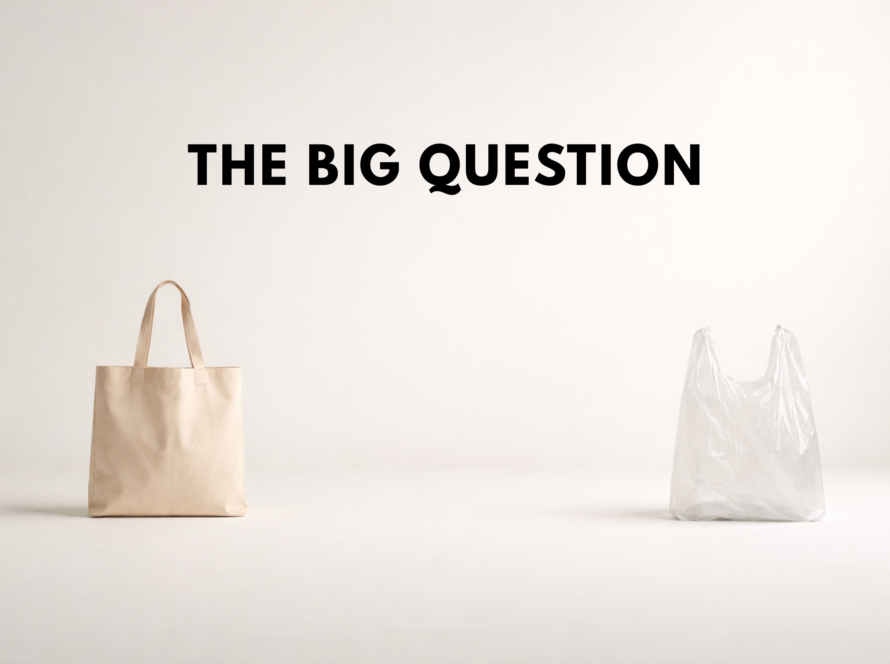
- Reusable tote bags (cotton, jute, juco) over single-use plastics
- Compostable or natural-material tableware for F&B and events
- Compostable packaging materials to replace petroleum-based plastic film
These aren’t just “green options” – they’re long-lasting and practical, which is why they fit naturally into everyday routines.
This is where organisations such as Acuflex Global support retail and F&B brands – by supplying durable eco-friendly alternatives that blend convenience with responsibility. The switch is not about marketing sustainability, but making it effortless for businesses and consumers.
What’s Next?
Based on growing adoption, three changes are likely to accelerate:
- More brands will offer sustainable product lines by default, not request
- Sustainable packaging will become a baseline expectation
- Reusable and compostable products will become mainstream across homes, F&B and retail
Dubai is not simply following a global sustainability trend – it is shaping one.
Consumers are signalling their priorities clearly: If a brand cares, the customer cares back.
Final Thought
Dubai’s shift to sustainable shopping isn’t about guilt or pressure.
It’s about smart, long-term choices that benefit the consumer, the brand and the world they share.
As sustainability becomes synonymous with modern living in the UAE, companies that embrace responsible products and packaging will not only support the planet – they will build trust, loyalty and relevance for years ahead.